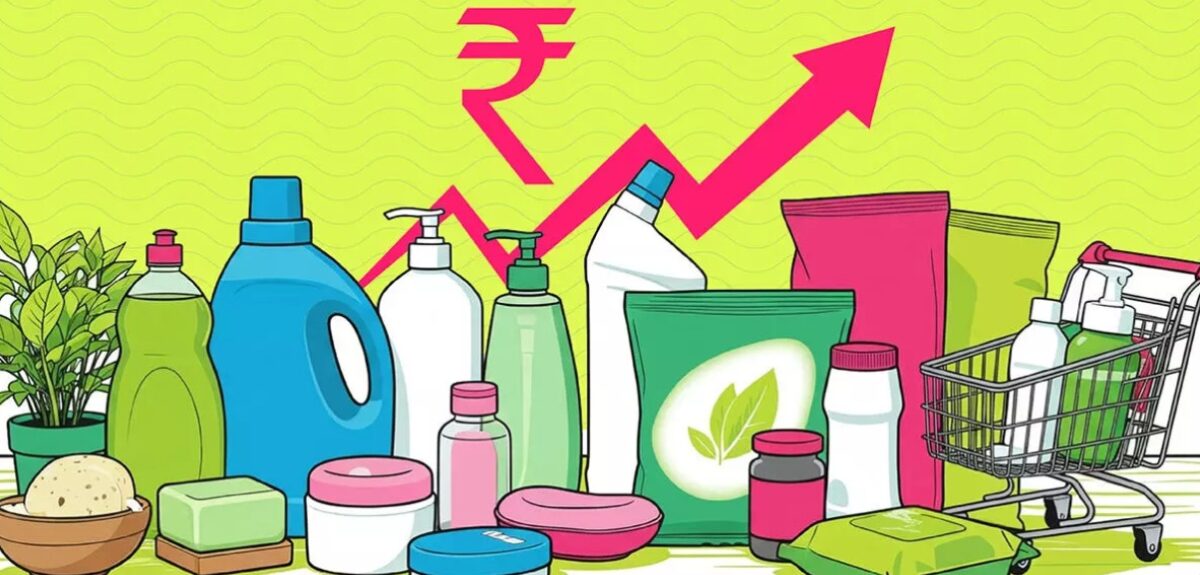
Pritha Pahari, The Core 3 November 2026 India’s packaged food and soap makers are running out of easy choices. Input costs have continued to rise since late February, when the Middle East conflict began disrupting supply chains and pushing up crude-linked costs. A visible price hike, however, risks sending shoppers to a rival. To offset this, companies have reduced package sizes. However, scope for how much these packs can be reduced is limited, especially for products already sold at low price points. Take the example of a Rs 10 pack of Parle-G biscuits. At this price, there is little room…
Pritha Pahari, The Core 29 Oct 2026 When ITC Ltd. launched Aashirvaad in May 2002, it sold one thing — whole wheat flour. The brand now has more than 200 SKUs across staples, spices, fresh foods and frozen foods. ITC wants to double what Indians spend on Aashirvaad to Rs 20,000 crore in five years. It said growth will come from two places: more premium atta, and new categories around the Indian kitchen. That makes the brand a test of a hard question in packaged food. Can a name built on the purity of an ingredient win in the other…
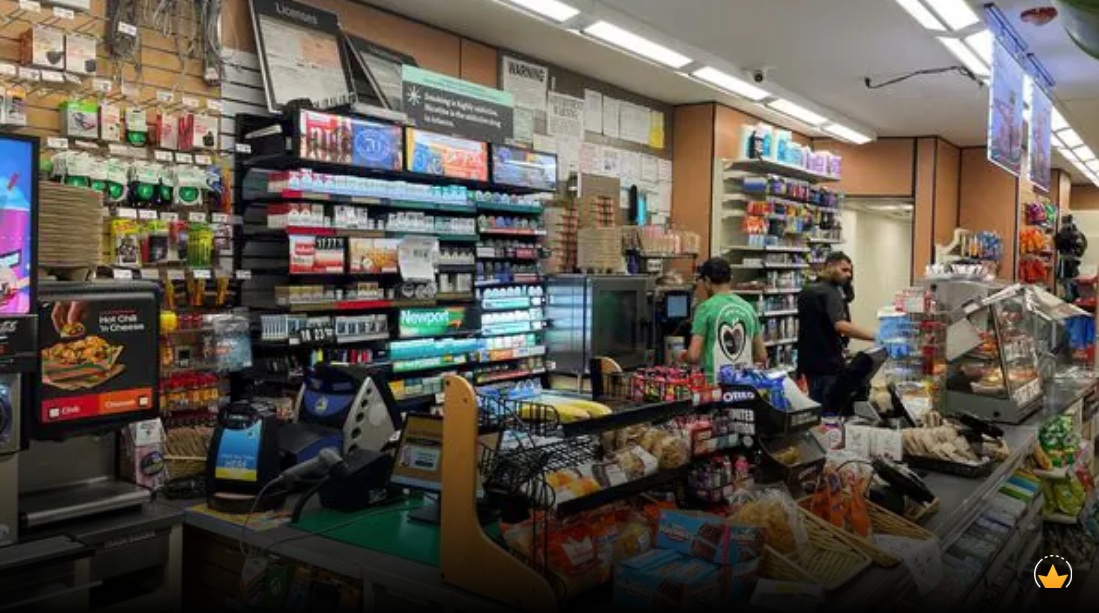
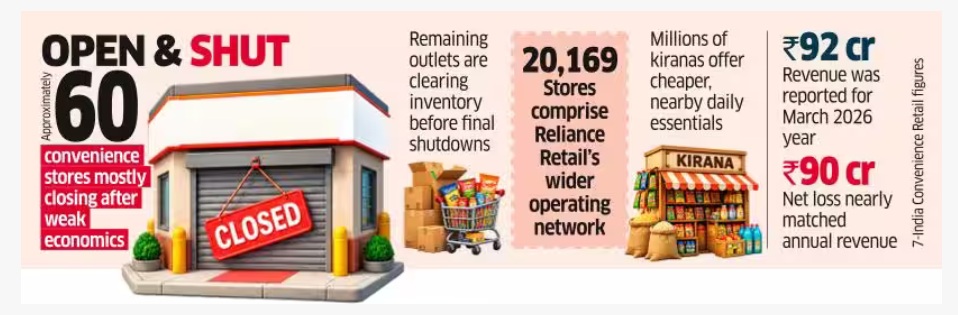
Vaeshnavi Kasthuril, MINT 19 October 2026 India’s quick-commerce boom is turning up the heat on grab-and-go convenience stores, leaving these chains struggling to stay relevant as doorstep deliveries become faster and easier. Caught between neighbourhood kiranas, large supermarkets and quick-commerce apps, these outlets face a tough battle for customers, with high rents and staffing costs leading to an existential squeeze. The closure of all 31 remaining 7-Eleven stores in India on 30 September, following the end of its franchise arrangement with Reliance Retail, underscores the challenges of scaling the format. The chain entered India in 2021 and expanded to around…
Vidya Sathyapriyan, ET Brand Equity 7 October 2026 Every single month, leather-goods brand Hidesign changes the storefront of its airport stores. The reason: "You can't bore the man or woman who's coming to the airport every week," says founder Dilip Kapur. But then what makes the airport shopper any different from someone walking into a high-street or mall store? Affluent? Sure. Willing to spend? Mostly. Time-poor and seeking convenience? Definitely. That mix presents a particular challenge for brands: understanding what and why travellers will buy, and how quickly they can buy it. Some have learnt to make the often lopsided…
Sagar Malviya, Economic Times 5 October 2026 Reliance Retail and 7-Eleven are ending their five-year franchisee deal in India, closing most of the nearly 60 convenience stores they operated under the partnership, after struggling to make the format profitable, people familiar with the matter said. A handful of outlets are clearing the inventory before shutting, they said. 7-Eleven may look for another Indian partner to keep a foothold in the market, although no decision has been made, the people said. The exit highlights an unusual squeeze that convenience stores are facing in India, with millions of small kirana stores that…
Reliance Retail & 7-Eleven ending 5-year franchise deal in India @SagarMalviya_ET
@devangshu:"convenience stores pressured by q-comm; family-kiranas survive with lower overheads & different margin expectations than corps"
Speciality Restaurants expanding into high-margin QSR and cloud kitchen spaces - @devangshu shared his perspective on the opportunities and realities of managing a diverse "house of brands" in the food service sector #India #strategy #diversification